
What is a Shipping Policy? A Complete Guide


What is a Shipping Policy? A Complete Guide
When shipping any goods, there is one essential document that cannot be done without in any successful shipping process: the shipping policy.
What exactly is it? Why do you need it? And does it differ depending on the shipment type or transport method?
These are questions faced by many business owners and e-commerce store operators when they first begin managing shipments. In this article, we answer these questions and explain how you can generate a shipping policyeasily and quickly through Waared.
What Is a Shipping Policy?
A shipping policy sometimes also called a waybill or consignment note — is an essential document placed on the outside of a package or shipment.
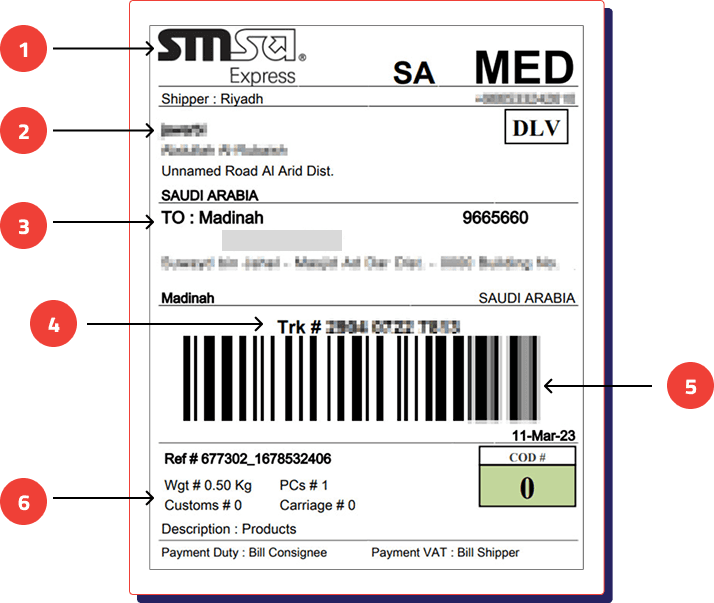
It contains detailed information about the shipment, including the sender’s and recipient’s names and addresses, a unique tracking number, and package details. Shipping carriers rely on this label to ensure that every package reaches the correct destination at the right time without errors.
Simply put, the shipping policy is the ID card of every shipment. Without it, packages cannot move efficiently through the logistics process.
What Does a Shipping Policy Contain?
A typical shipping policy includes several essential elements that ensure the shipment is delivered correctly.
Carrier:
The name of the shipping company responsible for delivering the shipment — such as Aramex, SPL, DHL, FedEx, Naqel, or others. This identifies the carrier responsible for transporting the package from pickup to delivery.
Sender Address:
The full address of the shipment’s origin. It is used as a reference in case the package needs to be returned or if there are inquiries about the shipment, so it must be accurate and complete.
Recipient Address:
This is the most critical element on the label. The address must be fully accurate to avoid delivery delays or sending the shipment to the wrong location.
Tracking Number:
A unique number used to track the shipment at every stage of its journey — from pickup until final delivery. This is the number usually shared with customers so they can follow their orders.
Barcode or QR Code:
Used by shipping carriers for automated scanning at sorting and distribution centers, helping speed up operations and reduce errors.
Shipment Details:
These include the actual weight, volumetric weight, package dimensions (length × width × height), and number of pieces. This information helps calculate shipping costs and determine appropriate transportation requirements.
Does the Shipping Label Differ by Transport Method?
Yes, shipping labels can differ depending on the transport method used.
Air Waybill (AWB):
Issued by air freight carriers and used for tracking shipments and facilitating customs clearance at airports. It is not considered a legal title document for the goods.
Bill of Lading (B/L):
Used in sea freight when goods are shipped via containers. It is considered a legal document of ownership and can sometimes be transferred or used as financial collateral.
Land Freight Label:
Used for shipments transported by trucks within Saudi Arabia or between neighboring countries. It is generally simpler and faster to issue than air or sea freight documents.
How to Generate a Shipping Label Through Waared
One of Waared’s key features is that shipping labels can be generated quickly and automatically in just a few simple steps.
Step 1 — Enter Shipment Details
Start by entering shipment information such as weight, dimensions, content type, and cargo value. Accurate information ensures the label is correct and helps avoid delivery issues.
Step 2 — Choose the Right Carrier
Based on the shipment details and destination, you will receive instant offers from multiple domestic and international shipping carriers, including price comparisons and estimated delivery times. You can then select the option that best fits your needs.
Step 3 — Confirm the Order and Get the Label
After reviewing and confirming the shipment details, Waared automatically generates the shipping label as a downloadable PDF file ready for printing and attaching to the package before handing it over to the carrier.
Why Is Understanding Shipping Labels Important?
Many e-commerce store owners treat shipping labels as just a required document. In reality, the label is the foundation of the entire delivery process.
Any error in the label can result in shipment delays, customs issues, or delivery to the wrong address. Understanding what the label contains and how to generate it correctly can save businesses significant time, cost, and operational problems.
A shipping label is the official identity of every shipment. It ensures packages reach the correct destination, allows shipments to be tracked throughout their journey, and supports a smooth logistics process.
While the format of shipping labels may vary depending on the transport method, their purpose remains the same: enabling shipments to move efficiently and reliably.
With Waared, generating shipping labels becomes a fast and automated process that takes only minutes.