Base Shipping Rate vs. Final Shipping Cost: What’s the Difference?

When comparing shipping rates, you may find an offer that appears cheaper than others. However, once additional services and shipment-related fees are included, the amount you actually pay may differ from the price you initially saw.
That’s why a proper comparison starts with understanding what the quoted price includes and what may be added. So, what is the difference between the base shipping rate and the final shipping cost? And how can you calculate your shipment cost before booking?
What Is the Base Shipping Rate?
The base shipping rate is the cost of transporting a shipment under specific conditions, such as the origin city, destination, billable weight, and service type.
The advertised rate may apply to shipments within a certain weight limit or to deliveries within a specific geographic area. Depending on the carrier’s quotation and terms, some fees may be included while others may be excluded.
For example, if a shipping rate is quoted at SAR 20, that figure alone may not tell you the full cost. You need to know the weight limit it covers, whether VAT is included, and whether additional service fees apply.
What Is the Final Shipping Cost?
The final shipping cost is the total amount payable after calculating the transportation charge, applicable fees, additional services, and VAT where applicable.
It may be equal to the base rate if the quotation includes all applicable charges and no additional services are required. However, it may be higher if extra services or fees apply.
It is also important to distinguish between the cost of shipping a parcel and the total cost of fulfilling an order. If a delivery fails and the shipment is returned, additional charges may arise, affecting the order’s profit margin even when the initial shipping rate is low.
What Factors Can Affect Shipping Costs?
1. Actual Weight vs. Volumetric Weight
Actual weight is the physical weight of a shipment, measured on a scale. Volumetric weight reflects the amount of space the parcel occupies during transportation.
Depending on the carrier’s policy and service type, shipping charges may be calculated using whichever of the two is higher. As a result, a large box containing a lightweight product may be charged at a higher weight than its actual weight.
Choosing packaging that fits the product properly helps reduce unnecessary space while maintaining the required protection.
2. Fuel Surcharges
Carriers may apply fuel surcharges, which can change periodically depending on the service and market conditions. These charges may be included in the quoted rate or added separately.
When comparing two quotations, make sure both present their costs on the same basis, and check how long each rate remains valid.
3. Cash on Delivery (COD)
Cash on Delivery services may involve additional fees for collecting payment from the recipient.
For online stores, evaluating this service goes beyond the fee itself. Payment transfer timelines, settlement tracking, and collection terms are also important for managing cash flow.
Before selecting a COD service, check its fees and the agreed payment transfer schedule.
4. Destination and Coverage Area
Shipping rates may vary depending on the delivery city. Additional charges may also apply to certain locations outside a carrier’s standard service area.
For this reason, use the recipient’s actual address when requesting a quotation rather than relying on a general domestic shipping rate.
5. Remote Area Surcharges
Some carriers may apply additional charges to shipments delivered to remote areas or locations outside their standard coverage, depending on the carrier’s policy and the specific destination.
As a result, the final shipping cost may vary even when two shipments have identical weights and dimensions, simply because their delivery locations differ. When requesting a quotation, make sure the recipient’s address is entered accurately and check whether remote area surcharges apply.
Checking these charges in advance helps you estimate the actual shipment cost and avoid unexpected fees on your invoice.
6. Additional Services
Some shipments may require express delivery, insurance coverage, or special handling. These considerations are particularly important when shipping equipment, machinery, or products that require specific transportation conditions.
Make sure the selected service meets the shipment’s requirements and review the cost of each additional service before booking.
7. VAT and International Shipping Fees
Check whether the quoted rate includes applicable VAT.
For international shipments, also verify potential customs clearance fees, customs duties, and taxes, as well as who is responsible for paying them. These charges may be separate from the transportation fee.
A Simple Example: How Does the Price Change?
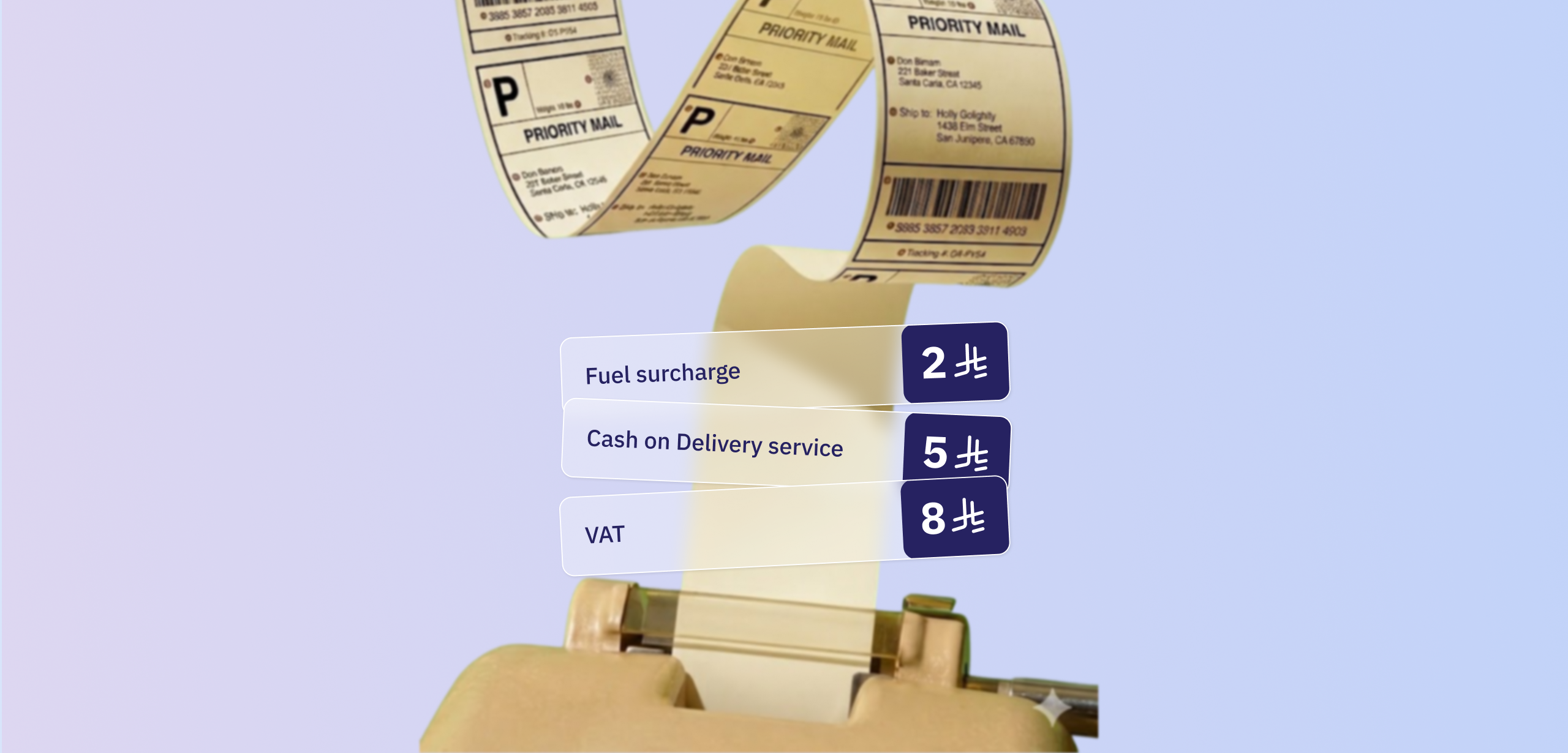
These figures are for illustration purposes only and do not represent the rates of Waared or any shipping company.
In this example, the base shipping rate is SAR 20, while the total cost of the listed services reaches SAR 27 before VAT.
How to Compare Shipping Quotations Correctly
Start by standardizing the shipment details used for comparison: the address, weight, dimensions, service type, and payment method. Then review the following:
- The total amount payable and what it includes.
- The expected delivery time and coverage area.
- Cash on Delivery fees and payment transfer timelines.
- Return shipment terms and any associated charges.
- Any potential additional costs and the quotation’s validity period.
This approach helps you choose the most suitable service based on both cost and terms.
How Can Waared Help You Choose a Shipping Service?
Waared brings together shipping options from multiple carriers, helping stores and businesses choose the right service for their shipments.
To get a quotation that matches your needs, enter the shipment’s weight, dimensions, and destination accurately, select the required services, and review the pricing details before confirming your booking.