Door-to-Door Shipping, Parcel Lockers, and Branch Drop-Off: What’s the Difference?

When you book a shipment, there are two questions to answer: How will the parcel get to the carrier, and where will the customer receive it? The answers affect how you prepare orders, what your customer needs to do, and whether the service fits your business.
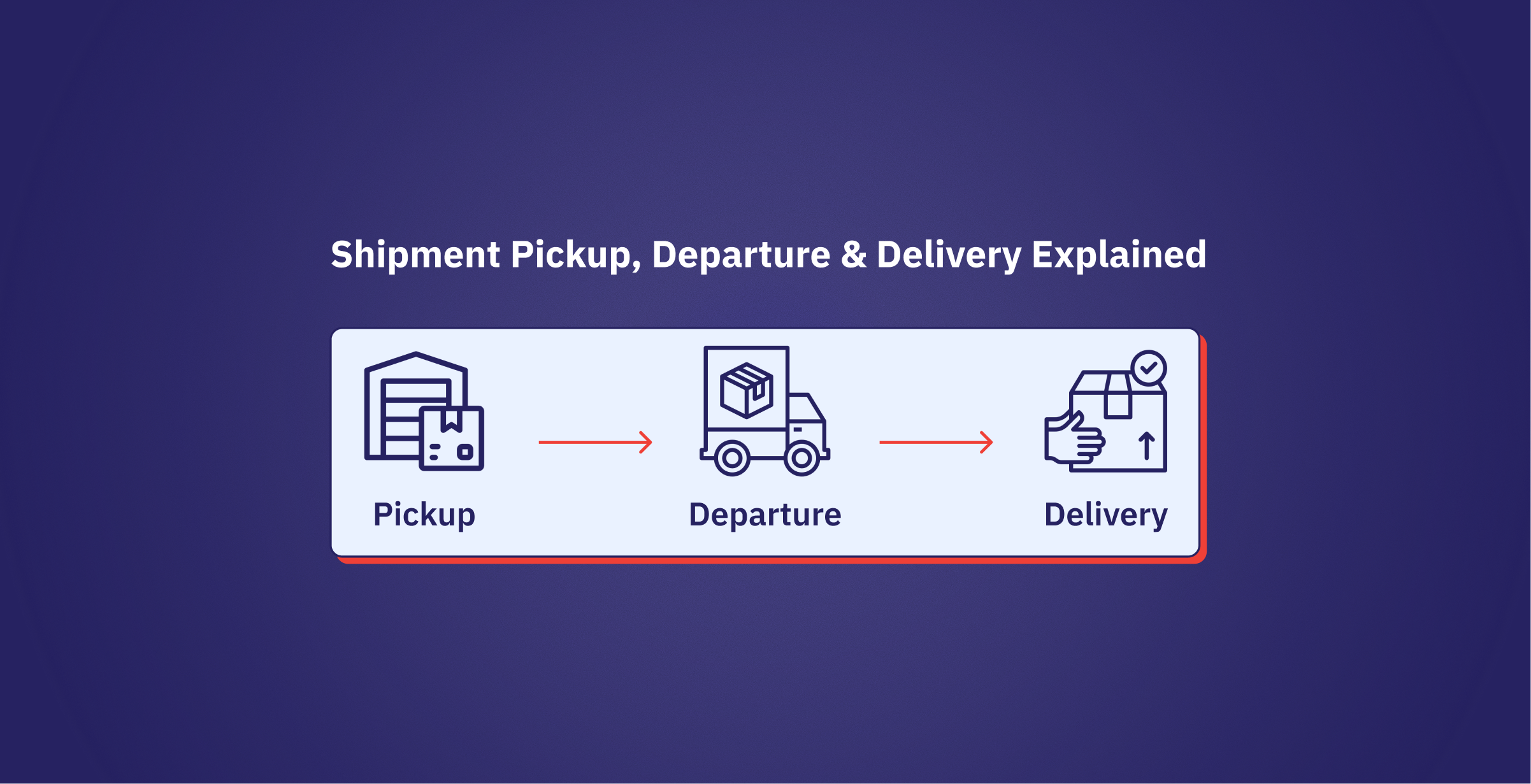
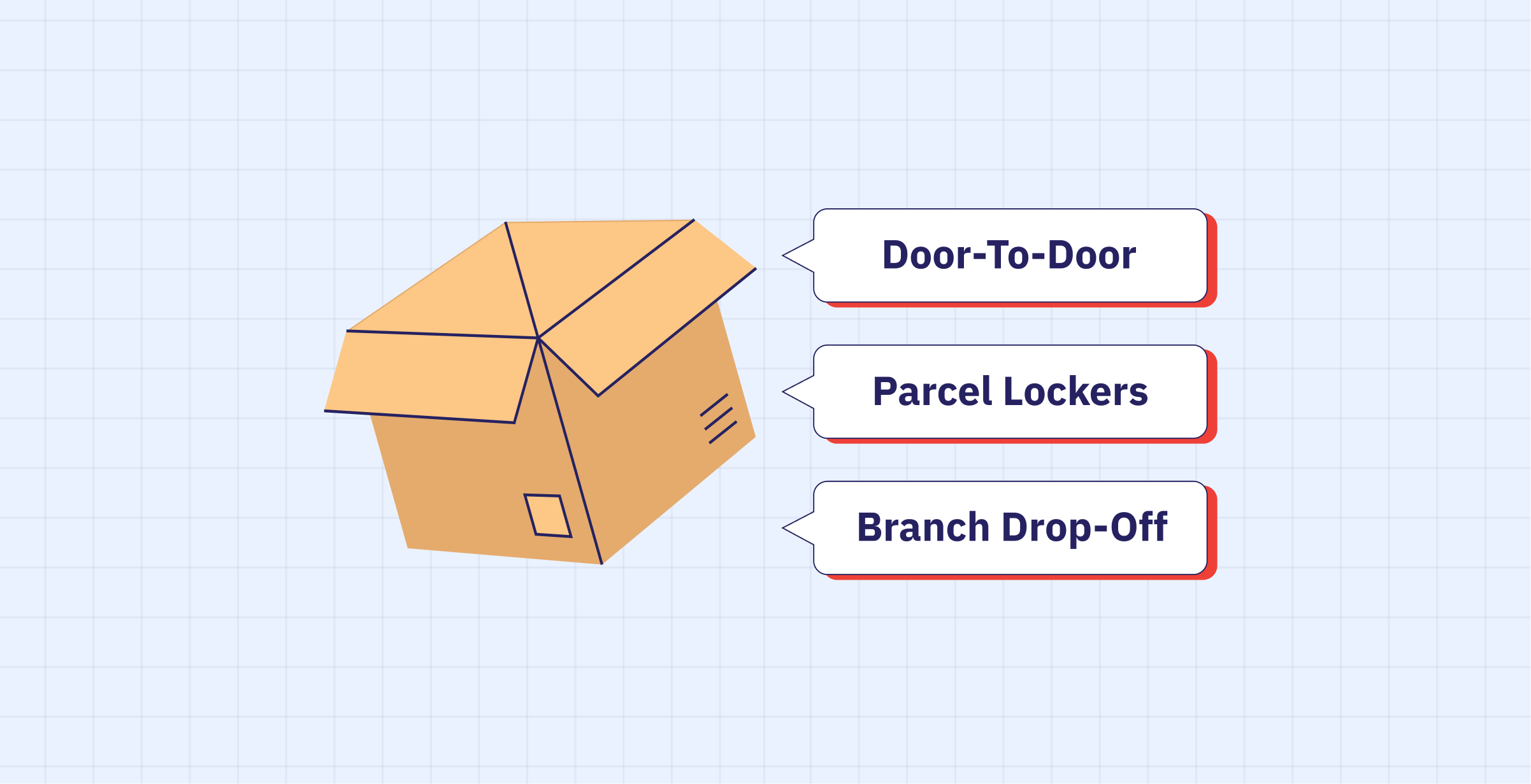
Door-to-door shipping, delivery to a parcel locker, and branch drop-off are often listed together, but they describe different parts of the shipment. Door-to-door describes both ends of the journey. Locker delivery tells you where the customer collects the parcel. Branch drop-off tells you where you hand it over to the carrier.
Here’s how each option works and what to check before booking.
Door-to-Door Shipping: Pickup From Your Location and Delivery to the Customer
With door-to-door shipping, the carrier collects the parcel from your location and delivers it to the customer’s address. Your team prepares and labels the order, then makes it available for pickup. The customer receives it at the address listed on the shipment.
This option can work well for businesses that dispatch orders regularly from a store, warehouse, or office. If you prepare several parcels each day, a scheduled pickup can save your team a trip to the branch. It can also be a convenient choice when the customer would rather receive the order at home or at work.
Before booking, check that the service covers both the pickup address and the delivery address. Then confirm the pickup window and the estimated delivery date. The pickup window tells you when the carrier expects to collect the parcel. The delivery estimate tells you when the customer can expect to receive it.
Example: A store prepares orders every afternoon and arranges pickup from its warehouse. The carrier collects the parcels, and each customer receives their order at their own address.
Parcel Locker Delivery: The Customer Collects From a Designated Locker
With parcel locker delivery, the carrier delivers the parcel to a designated locker. The customer then collects it using the instructions provided by the carrier. Depending on the service, those instructions may include a pickup code or a QR code.
Locker delivery can suit customers who are away during regular delivery hours or who prefer to collect their orders near work or along their usual route. The convenience depends on where the locker is located, when it can be accessed, and how long the carrier holds the parcel there.
The locker is the destination. How you hand over the parcel at the start of the shipment depends on the service you book. The carrier may collect it from your location, or you may need to drop it off at a designated point.
Before booking, check that the parcel fits the locker’s size limits after packaging. Confirm the locker location, the collection deadline, and what happens if the customer misses it. Share the locker location and collection instructions with the customer so they know where to go.
Example: A customer who spends most of the day at work chooses a locker near their office. Once the parcel is ready, they follow the carrier’s instructions and collect it within the allowed window.
Branch Drop-Off: You Take the Parcel to the Carrier
With branch drop-off, you prepare the parcel and take it to a carrier branch or an approved drop-off point. This can be useful if your business ships occasionally, has a branch nearby, or wants to hand over a parcel without waiting for a pickup.
Branch drop-off describes what you do as the sender. It doesn’t tell you where the customer receives the parcel. Depending on the service shown on the shipping label, the carrier may deliver it to the customer’s address or hold it at a designated branch for collection.
Before leaving, confirm which branch accepts your shipping label and check its drop-off cutoff time. A branch’s opening hours and its cutoff for processing parcels may differ. If timing matters, ask when the parcel is expected to enter the carrier’s network after you hand it over.
Example: A small business sends a few orders each week and drops them off at a nearby branch. The shipping labels specify delivery to the customers’ addresses, so the customers don’t need to visit a branch.
Shipping Options at a Glance
How to Choose the Right Option for Your Business
Start by looking at how your team prepares and dispatches orders. If you send parcels regularly from one location, carrier pickup may fit your routine. If you ship occasionally and a branch is nearby, drop-off may be easier to arrange. If customers ask for more flexibility about when they receive orders, locker delivery may be useful where it’s available.
Then consider the shipment itself. Confirm the parcel’s dimensions after packaging, the destination, the total price, and the estimated delivery time. For time-sensitive orders, compare the earliest practical handover time as well as the delivery estimate. For example, taking a parcel to a nearby branch may get it into the carrier’s network sooner if the next pickup from your location is scheduled for the following day. That depends on the branch’s cutoff and the service you book.
Finally, tell the customer what to expect. For address delivery, confirm the address and contact details. For locker delivery or branch collection, share the exact location and any applicable collection deadline. That small step helps prevent customers from waiting for a doorstep delivery when the parcel is ready for collection elsewhere.
Compare Shipping Options With Waared
Waared brings together options from multiple carriers so businesses can compare available services for their shipments. When reviewing your options, check where you’ll hand over the parcel and where the customer will receive it. Confirming both before booking helps you choose a service that fits your dispatch routine and your customer’s needs.